Transatlantic Adventures and Other Escapades of a Pilot-Chute
How my dreams of flying big passenger jets were permanently replaced by small aircraft, teaching future pilots, transatlantic ferry flights, and skydiving. I'll also reveal my favourite book and my bra size.
How Do You Recognise a Pilot at a Party? Don't Worry, They'll Tell You!
I'll be deeply disappointed if, at my wedding next year, when the registrar asks, "Does anyone have anything to say?", at least three pilots don't stand up and announce, "I'm a pilot!"
I wouldn't expect anything less, considering it'll be an aviation wedding with plenty of aviation people among the guests.
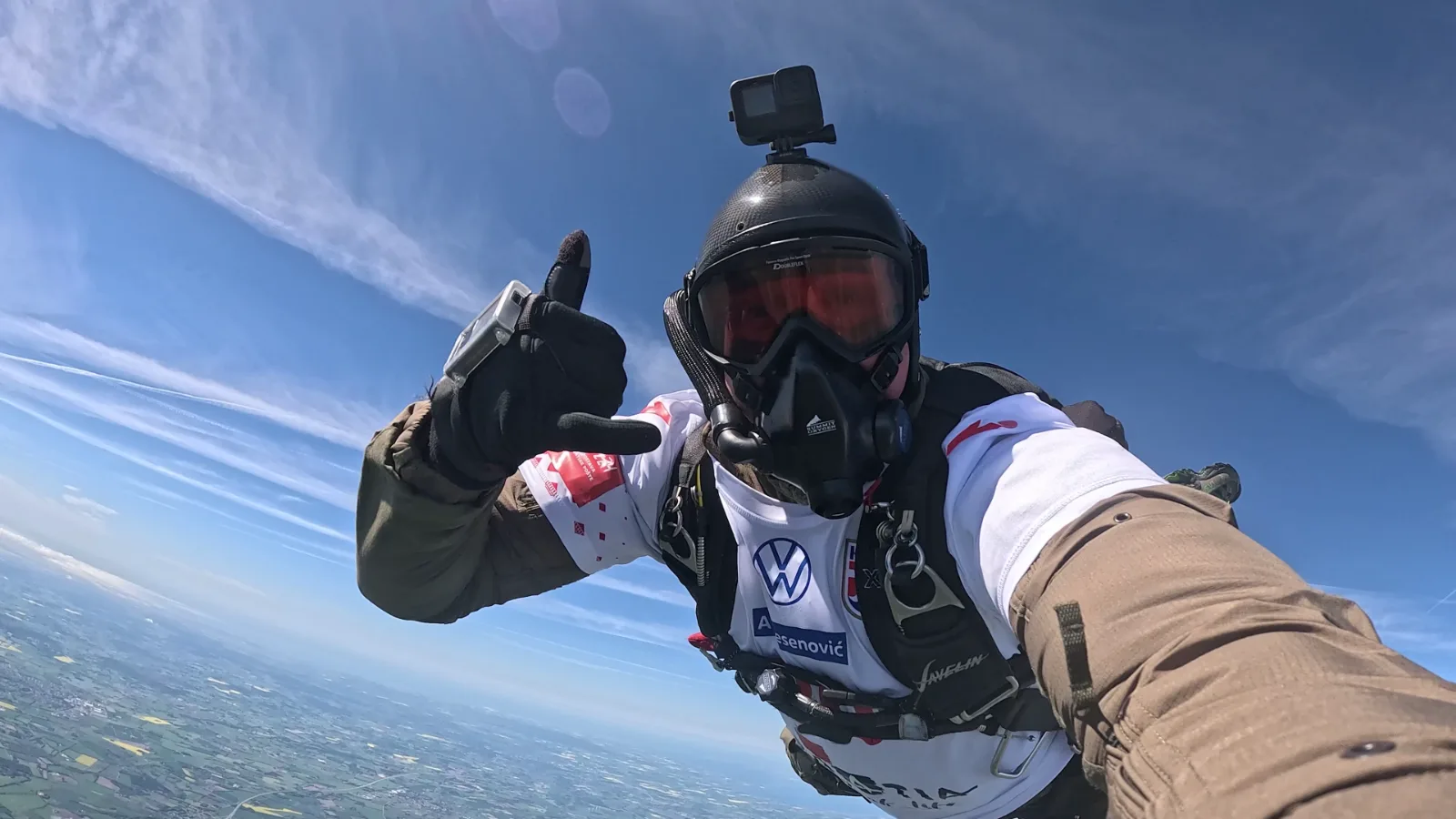
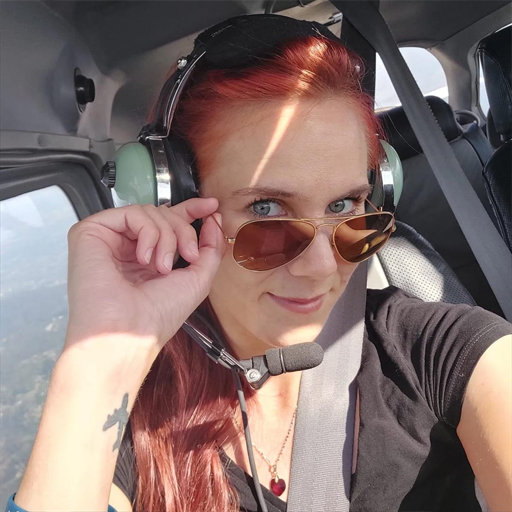
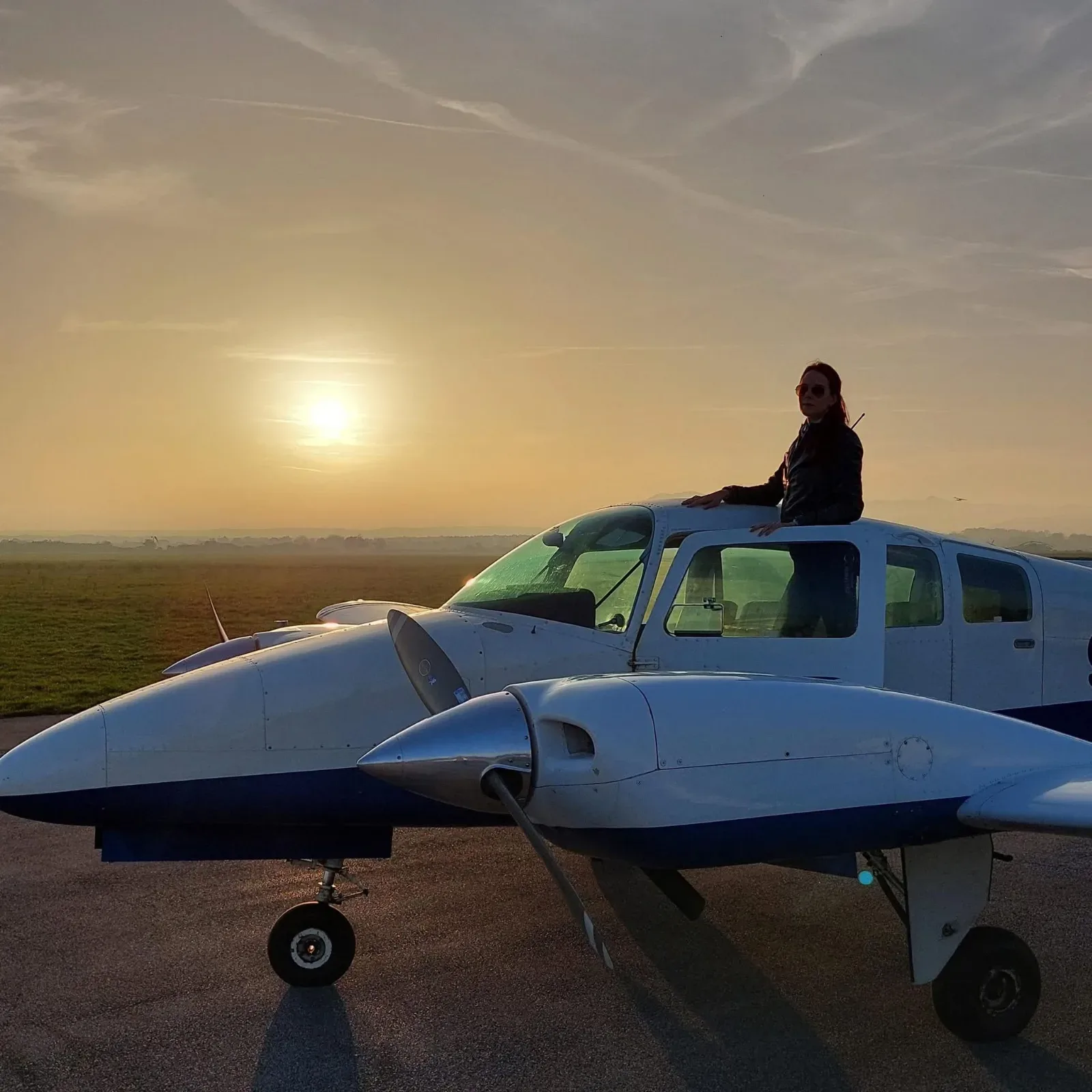
So, since we're bragging, I'm Maja — a pilot. I'm also a skydiver.
A fellow aircraft technician appropriately nicknamed me Pilot-Chute, after a component of the parachute system. My fellow skydivers, on the other hand, gave me the nickname "Malfunction".
Why?
Well, there may or may not have been a period of inexplicable aircraft malfunctions that just happened to occur whenever I was supposed to fly them.
They say a woman aboard a ship brings bad luck, so perhaps the same applies to airplanes.
Don't worry, though. There's no reason to be concerned if you're flying with me. The curse has lifted.
I hope.
How Did I End Up in Aviation?
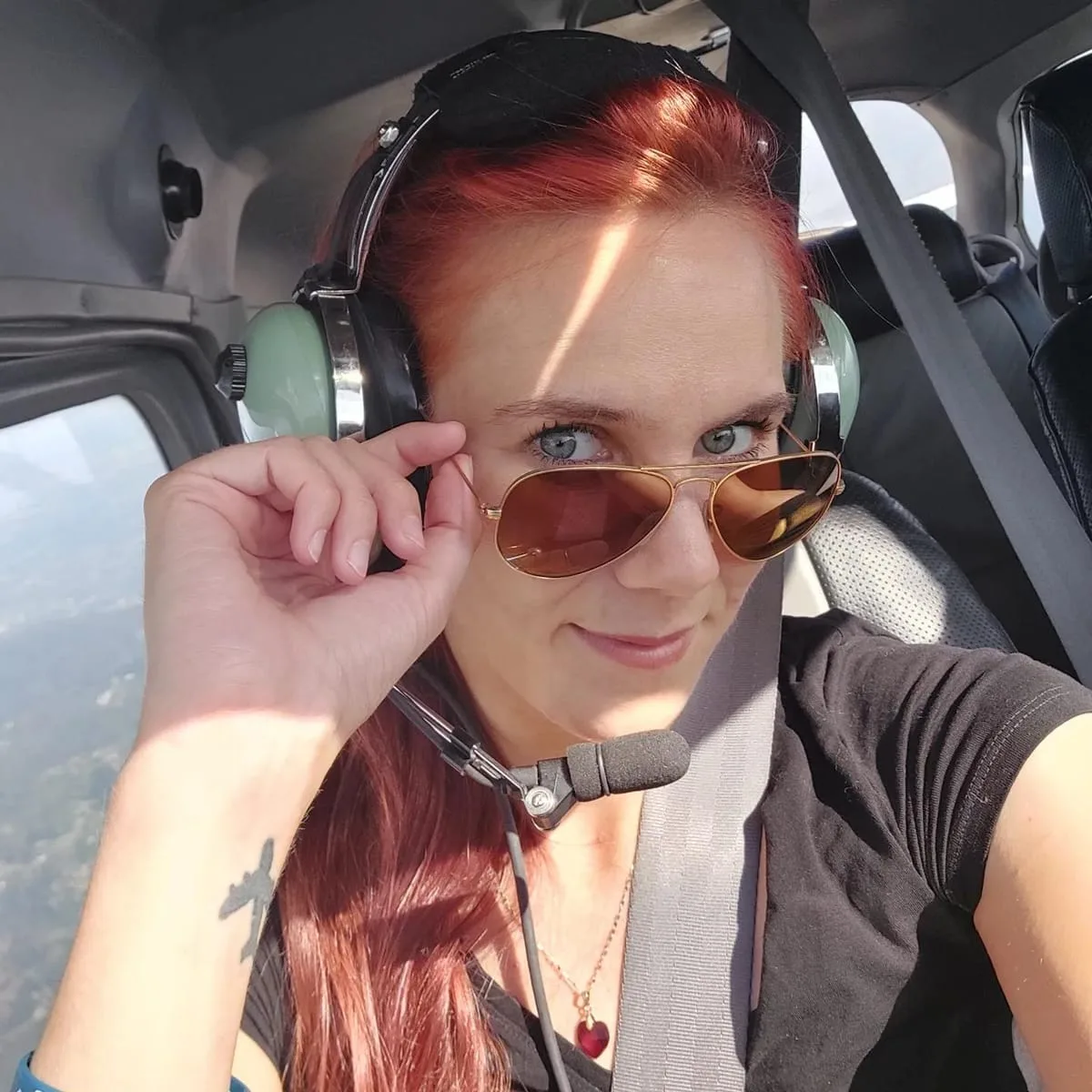
I barely know myself.
I fell in love with flying, and love isn't exactly something you can properly explain with a dictionary.
As a child, I dreamed of becoming a programmer. That changed in an instant when I flew on an airliner for the first time during my second year of secondary school.
It was as if someone had suddenly switched on a light inside my head, and everything else became irrelevant.
Naturally, a few obstacles appeared along little-Maja-wants-to-be-a-pilot's journey.
PROBLEM: Where's the money?
There isn't any.
Let's be realistic. The finances of an average working-class family generally can't keep up with their child's dreams of becoming a pilot.
Those dreams come with a very real and painful price tag. Twelve years ago, flight training cost around €40,000.
Yes. Forty thousand.
Today, it's closer to seventy.
And then there was the additional problem of living in another city, paying rent, utilities, and buying food.
SOLUTION: Dreams don't care what's possible.
Head straight through the wall, and eventually the universe will collapse under the sheer weight of my stubbornness.
Night shifts at McDonald's on Jurišićeva Street reliably covered my living expenses, while the flight school and I struck a rather nice deal: my training costs would be covered in exchange for staying on as an instructor.
Yeah, right.
Me? An instructor?
But I don't like working with people! I was absolutely terrified of the job.
With good reason.
Being a flight instructor means getting paid to have students attempt to kill you at least twice a day.
My first day at work was one of the most stressful days of my life.
However, once the dust settled, I realised it wasn't actually that bad.
To this day, I believe that no Airbus or Boeing will ever thank you after a landing, but a student will always remember their instructor.
And that's what keeps me going.
That feeling of being useful, the warmth in my heart when I watch my students complete their first solo flights, and the pride I feel when I manage to explain something in an accessible way and a student finally understands it.
Throughout training, an instructor permanently takes up residence inside every student's head — an inner voice of reason that sounds suspiciously like their instructor.
Even after the student earns their licence and is no longer a student.
My own voice of reason still shouts at me in the voices of my former instructors, despite the fact that, at the time of writing, seven years and approximately 3,000 flight hours have passed since my training.
Today, I wouldn't trade my job for anything.
It's where I found my calling.
Is There Room for Growth in General Aviation?
There's as much room as we're willing to create for ourselves and as much as we demand of ourselves.
Even when I thought I was stagnating, another opportunity for growth would be waiting just around the corner.
One such opportunity was called skydiving.
It all began with a skydiver shouting across the entire airfield:
"INSTRUCTOOOOOR! WHEN ARE WE GOING TO THROW YOU OUT OF AN AIRPLANE?"
Naturally, as a pilot, I was extremely resistant to the idea.
I rather like the protection an airplane provides. Although, admittedly, we all know perfectly well that all that metal crumples up in an accident.
And at the time, skydivers seemed like a bunch of wild, badly behaved children to me.
Still, I eventually gave in.
To this day, I don't know exactly why, but I do know that the experience was absolutely brilliant.
After that, things moved quickly.
They hired me to fly skydivers, which introduced an entirely new set of skills to master.
If I had to describe what it's like to be a jump pilot, I'd put it this way:
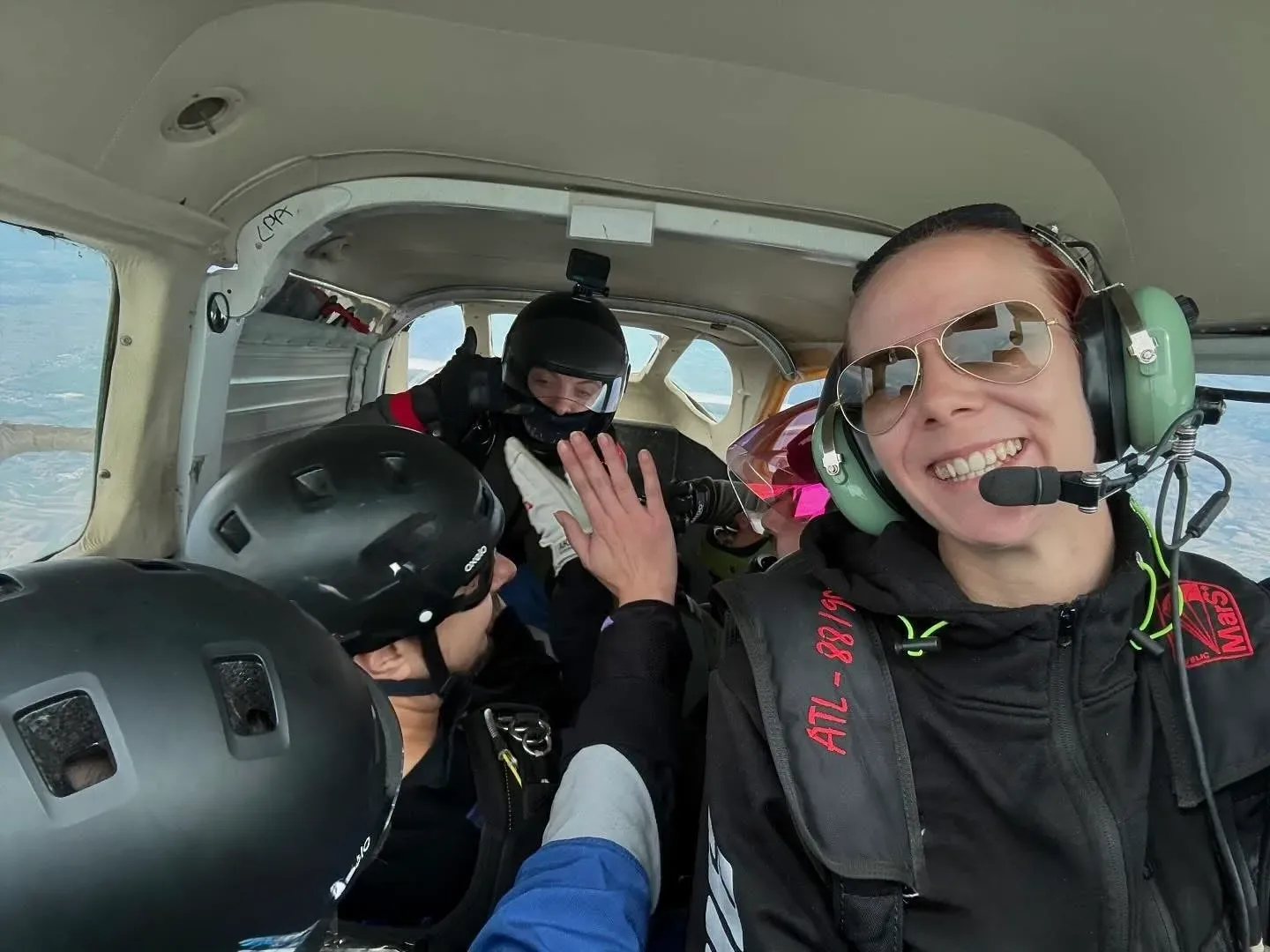
Skydivers are cargo that complains constantly or tugs at your sleeve looking for something to complain about.
Also, nobody knows how to fly an airplane better than a skydiver.
Not even the pilot.
Flying skydivers is essentially an exercise in workload management, with the biggest workload being the skydivers themselves.
Both figuratively and literally.
Literally, because they constantly shuffle around the aircraft during flight like a flock of hens, making the airplane behave like a boat rocking on the waves.
Meanwhile, the pilot is expected to actually fly the airplane, communicate with air traffic control, and maintain situational awareness to avoid dropping a skydiver onto the roof of another aircraft.
Fun, isn't it?
You're probably wondering why any pilot would voluntarily take on such a job without being forced into it.
Because pilots are masochists.
We're children who supposedly grew up but never stopped playing with toy airplanes, and we always need some new game to keep us entertained.
Anything familiar or already mastered quickly becomes boring.
At least that's how I am.
One of the new "games" that caught my attention after conquering the fortress known as skydiving operations was skydiving itself.
Actually, that wasn't entirely voluntary either.
The boys opened a skydiving school and decided it would be a brilliant idea to use their chief pilot as a guinea pig.
Because why not?
Pilot-Chute in Action
That first jump I mentioned was a tandem.
You put your life in someone else's hands, and whoever survives gets to tell the story.
However, when it came to my first solo jump as a skydiving student, the jump itself wasn't what stressed me out the most.
The bigger problem was that a fellow pilot — someone I trusted, but whose flight experience at the time was only a third of mine — was flying an airplane I knew how to fly.
And I didn't have any controls in front of me.
That's what we call the instructor complex.
As instructors, we're accustomed to flying with students and expecting that something will always need correcting.
So when we find ourselves unable to intervene, we tend to have a minor panic attack.
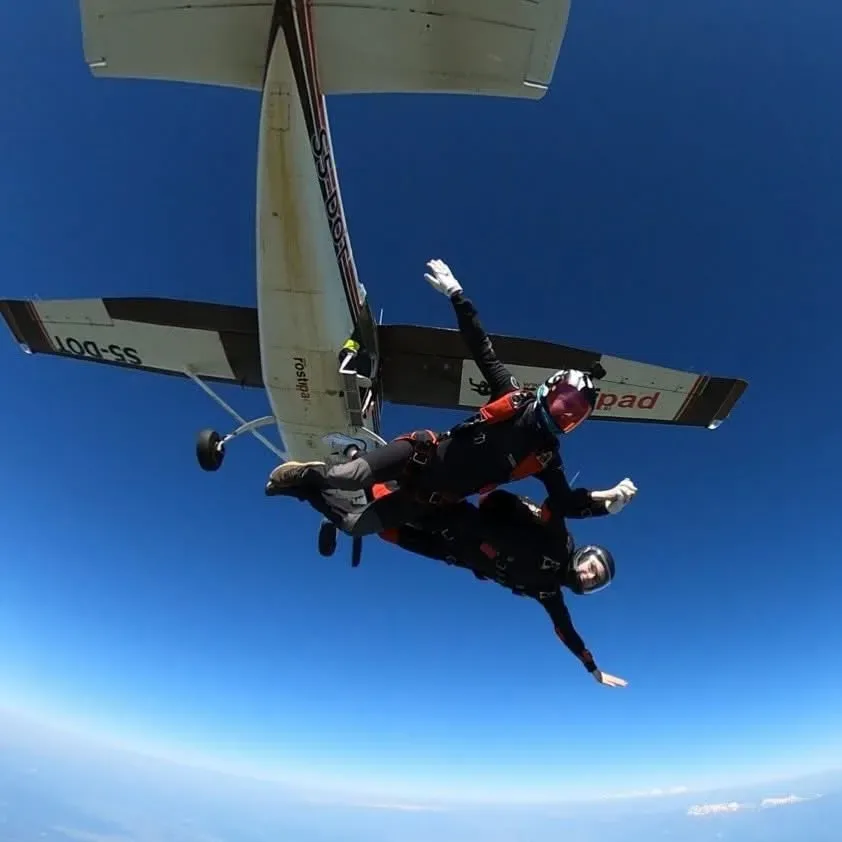
I completed my skydiving training and earned my licence.
Soon afterwards, I earned the next level, my B skydiving licence, and to date I've made approximately 90 jumps.
Considering I've been involved in skydiving for around six years, it's easy to see that I'm progressing rather slowly.
Why?
The main reason is that I'm the princess of "I'm cold."
Basically, I wander around the airfield but refuse to jump when it's cold, when it's hot, when it's too windy, when things feel upside down, when Mercury is in Venus, or for whatever other reason I can come up with.
Fundamentally, though, I think skydiving is a wonderful sport, and I absolutely love jumping at new locations and from different airplanes.
After all, I'm a pilot at heart, and airplanes excite me more than parachutes.
To me, the parachute is simply a device that prevents me from becoming a pancake.
I jump for the freefall.
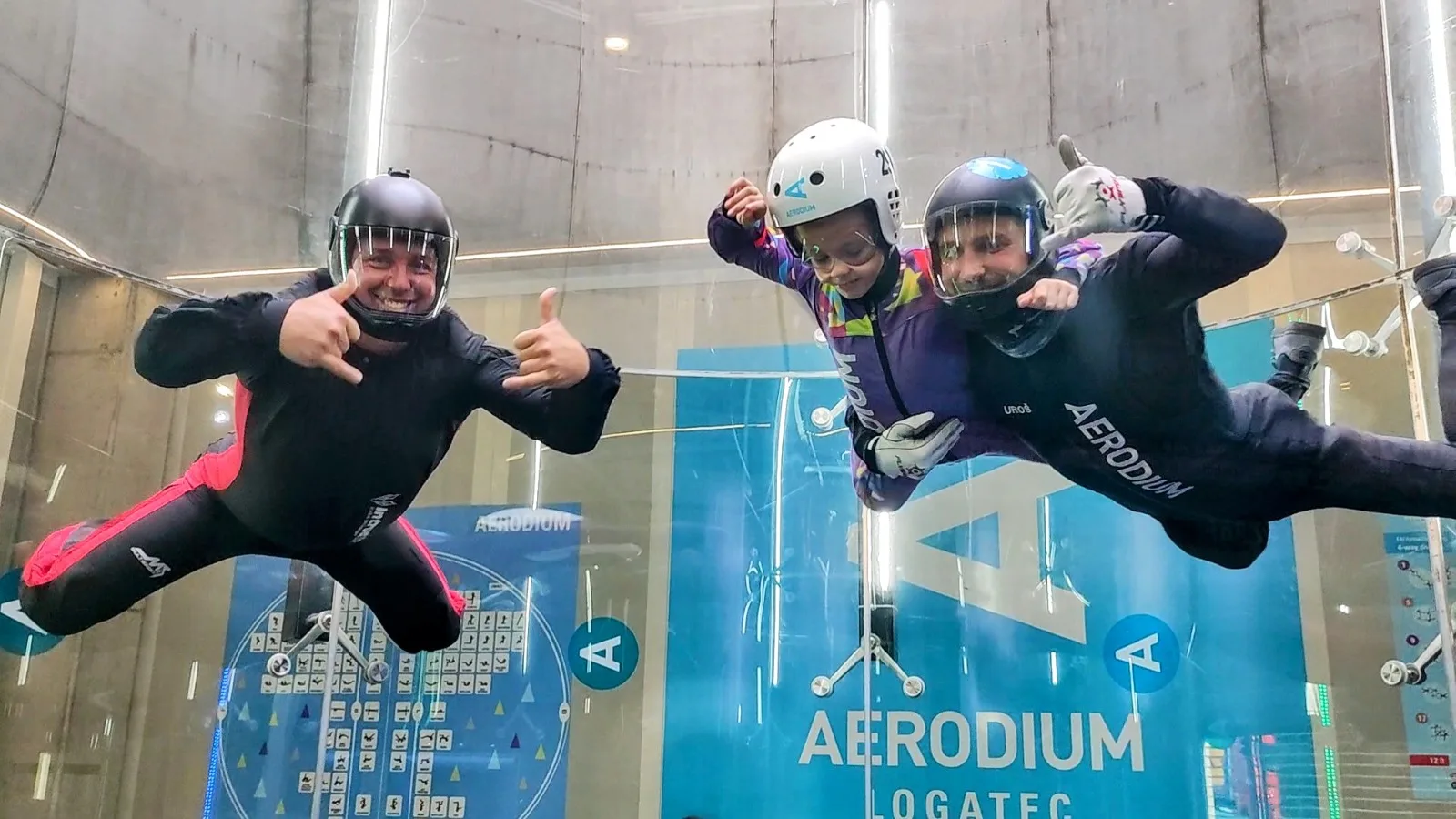
The sensation of moving through the air is similar to moving through water, except that air is a much less dense medium.
I spent a great deal of my youth in the water, training in synchronised swimming every day.
Above all, freefall gives me a feeling of freedom.
Nothing restricts me, and I have countless possibilities for movement and different kinds of aerobatics.
That's why skydiving is the perfect holiday activity for me.
Last summer, I went to a boogie in Prijedor, jumped to my heart's content, and met lots of entertaining people.
Skydivers are, after all, an incredibly welcoming community.
At least until they start interfering in the pilot's area of expertise.
Motherf***er, It's Cold
Sometimes I'm the kind of person who acts first and thinks later.
Which, in this particular case, wasn't quite as bad as it sounds.
It started with a phone call from a dear colleague.
"Hey, Maja, I've got a friend who ferries single-engine aircraft across the Atlantic, and he's looking for pilots. Interested?"
Of course I was interested.
But after hanging up, I started wondering what exactly I'd just agreed to.
If I crashed into the Atlantic, would I freeze first, drown first, or would a shark decide to have me for lunch before either of those happened?
I'm not particularly afraid of death. Nobody gets out of life alive, after all.
Still, I'd prefer it not to involve too much suffering.
Apart from those initial thoughts, I tried not to dwell too much on the darker possibilities.
This is a job where, to some extent, you're putting your life on the line.
You're aware of the risks, but beyond the survival suits, life rafts, and emergency signalling equipment you carry, there's only so much you can do about them.
Maja in a thermal survival suit, looking rather like a little duck.
After extensive meteorological and legal preparations, the journey began in Linz, Austria.
Our mission was to ferry the aircraft to London — Ontario, Canada.
The aircraft was a single-engine piston-powered airplane equipped with an autopilot and anti-icing systems.
Keep in mind that the anti-icing and de-icing capabilities of small aircraft are extremely limited compared with those of commercial airliners operating in serious icing conditions.
The aircraft itself was brand new, fresh from the factory, with only a few hours of test flying behind it.
That doesn't necessarily mean it's reliable.
It could also mean there's a manufacturing defect that I'll be the lucky person to discover somewhere above the big blue ocean.
Fortunately, that particular scenario didn't happen.
On the first day, our goal was to reach Wick in Scotland.
We managed it, with one fuel stop in France along the way.
My very first landing in that particular aircraft type — which I'd never flown before — was in Scotland, at night, with ice on the wings.
Because, as I said, the anti-icing systems have their limitations.
But the greatest challenge of that part of the journey was understanding the Scottish waiter when he tried to tell me what was on the menu.
Not to brag, but I actually speak English very well.
Usually.
In the end, I gave up and told him to bring me whatever the guy next to me was having.
After an entire day of flying, all I wanted was food and a bed.
On the second day, we spent the morning staring around the airfield, waiting for someone to clear the snow off the runway.
It had snowed overnight, and Britain, as we all know, is apparently only equipped to deal with fog and rain.
We made a brief stop in Reykjavík for fuel and passport control before rushing towards Kulusuk on Greenland's east coast.
Full throttle, and we landed exactly one minute before the airport closed.
The runway was 1,200 metres of frozen gravel.
Yes, gravel.
But never mind, because when it's frozen it's basically the same as asphalt.
Except, I imagine, with a slightly greater chance of sliding around.
If I hadn't seen on the aeronautical chart that Kulusuk was on an island, I wouldn't have known.
Everything was white. Everything was frozen.
As far as I could tell, the island consisted of an airport, three houses, and a hotel.
We arrived at the hotel, only for the owner to tell us there weren't two rooms available because a commercial flight had been cancelled.
What on earth were all these people doing there?
Had they come for an igloo-building course or something?
Fortunately, they eventually managed to find another room somewhere.
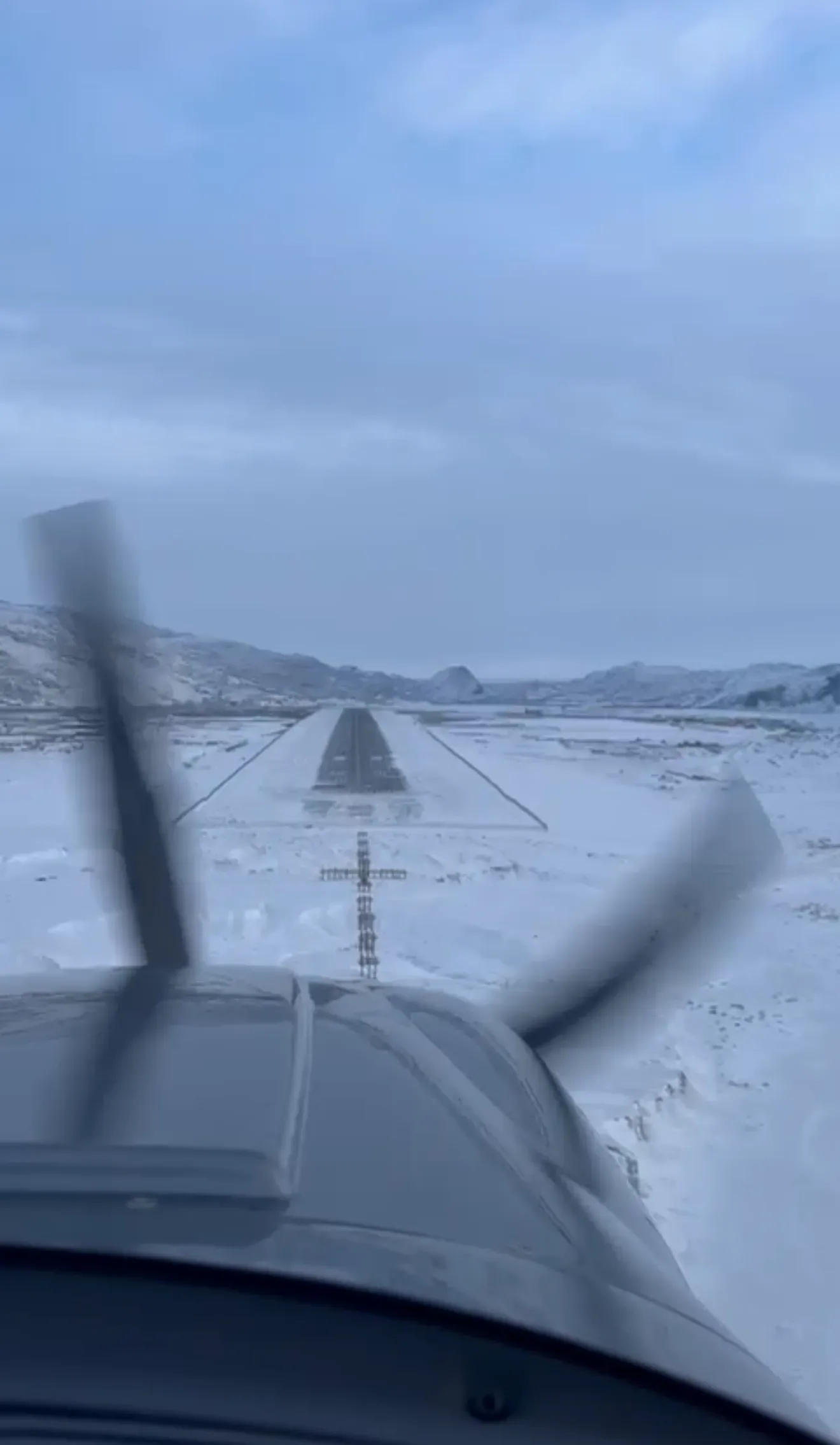
The following morning, a commercial Air Greenland flight really did arrive and land on that frozen gravel.
It was also in Kulusuk that I first encountered the need to preheat an aircraft engine.
It was so cold outside that the engine wouldn't have been particularly happy about being started at those temperatures.
The oil wouldn't provide sufficient lubrication, so the engine had to be warmed from the outside using a source of hot air.
On the third day, we stopped in western Greenland, at Kangerlussuaq — Sondrestrom, which had served as a military base during the Second World War.
It was a quick stop, just long enough to refuel and notify the Canadian border authorities.
The flight towards Iqaluit in northern Canada was uneventful.
Except for the temperature.
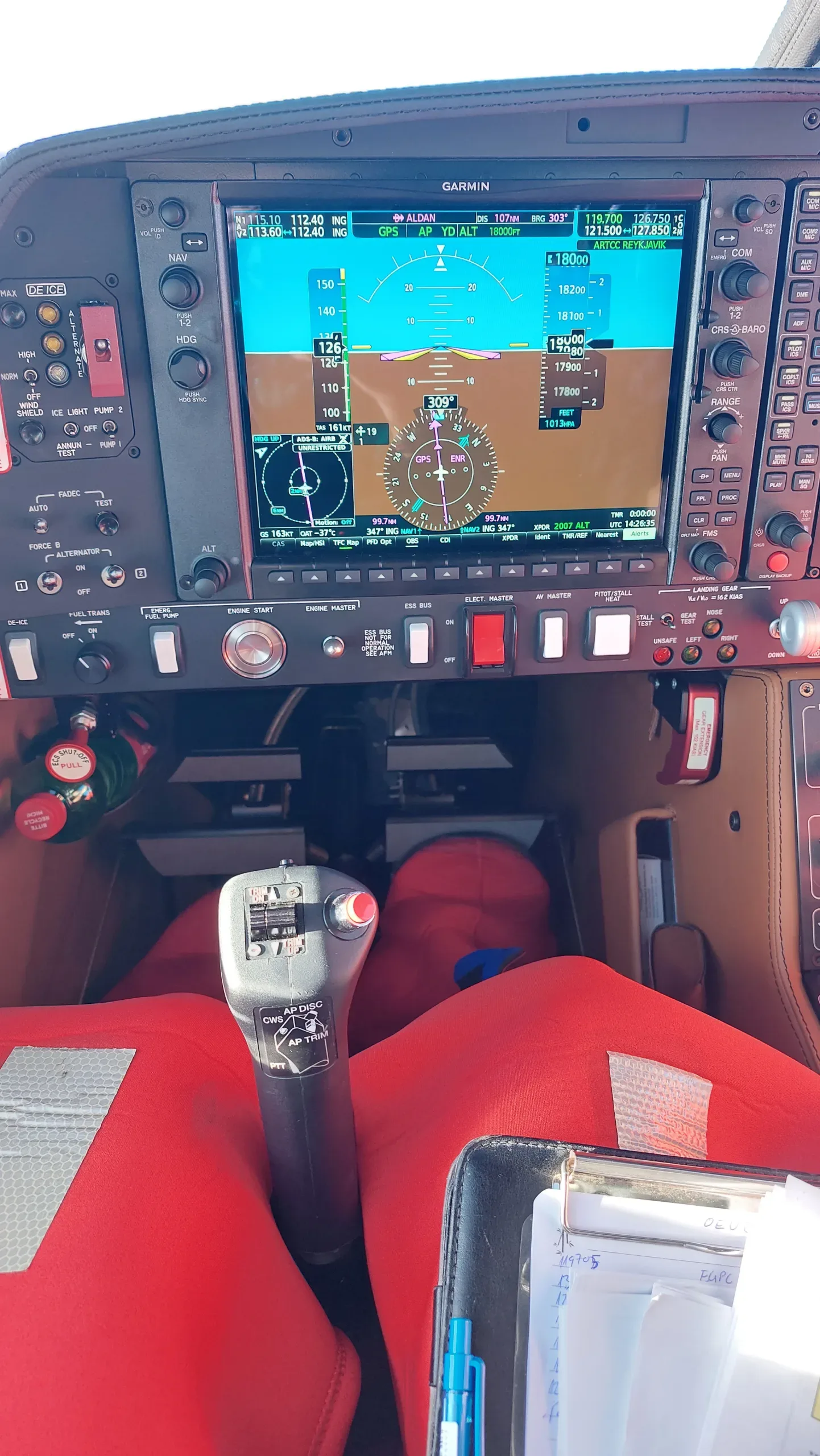
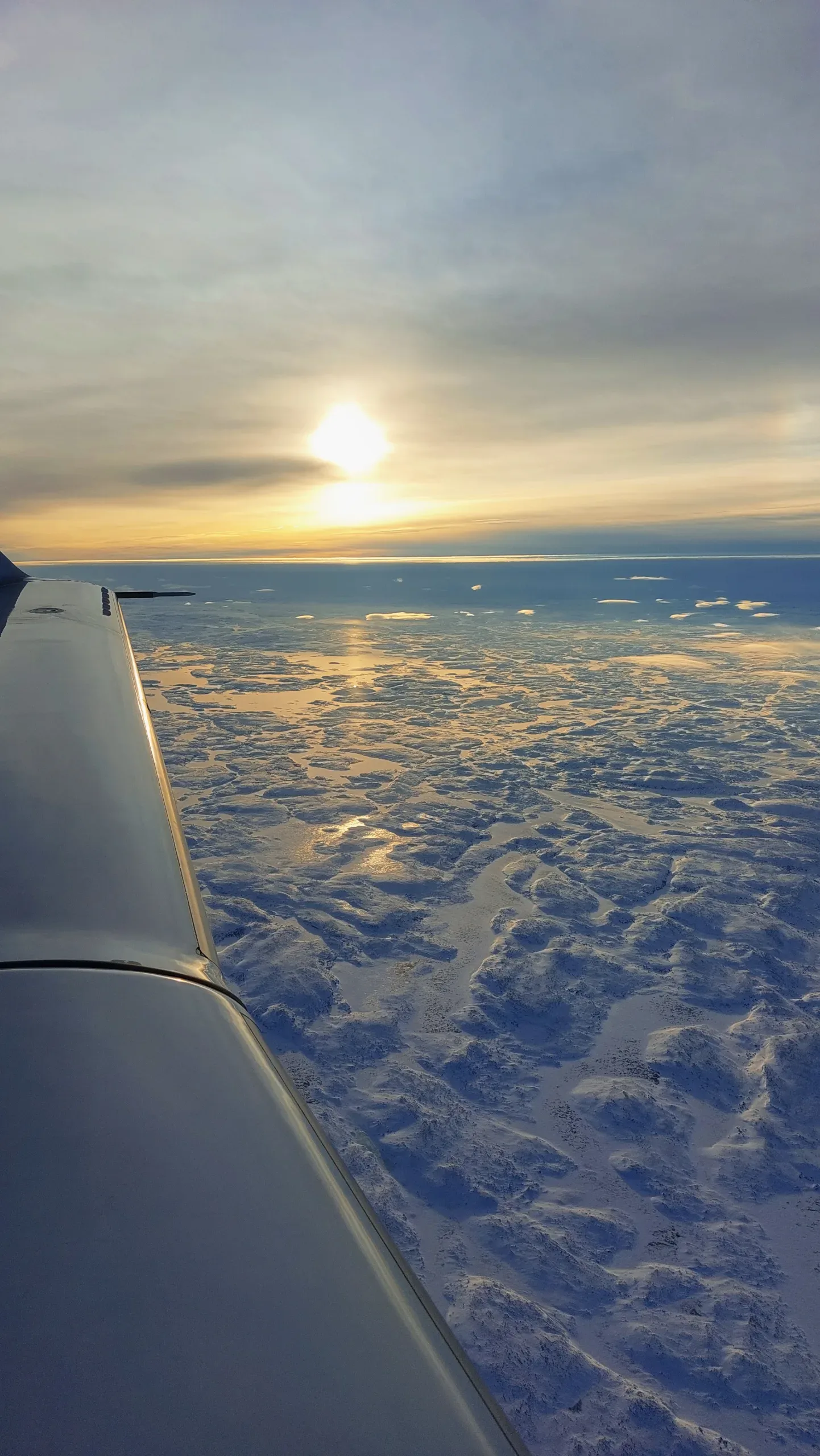
At approximately 18,000 feet, or around 5,500 metres, it was so cold that even the aircraft heating couldn't keep up.
The outside temperature was −39°C.
Penguins were begging for tea.
Below us, nothing but snow and ice.
Autopilot ON, wrapped in my down jacket, with just my little eyes moving left and right to scan the instruments.
At that altitude, we also had to use supplemental oxygen to prevent symptoms of hypoxia.
After landing in Canada, we were greeted by border officers with a rather extensive list of questions about our flight.
Naturally, the questioning took place outside at −25°C while I hopped from one foot to the other trying to stay warm.
Anyone who knows me understands what a tremendous achievement that was, because I am unbelievably sensitive to the cold.
What I remember most about the fourth and final day of this adventure is complete darkness.
We departed before sunrise.
Immediately after lifting off the runway, I encountered the blackest darkness I'd ever seen.
There wasn't a single source of light.
No moon. No stars.
It was as though someone had poured black paint all over the airplane.
Especially if you live in a city, you could go three lifetimes without witnessing anything like it.
The next leg was almost seven hours long.
My better half had asked me to take some photographs of the Canadian lakes.
So I did.
The problem was that the lakes looked almost exactly like the surrounding landscape because everything was frozen.
By now, you might also be wondering where one goes for a wee during a flight like this.
Small airplanes don't exactly come with toilets.
Well, men have it easier.
But Maja had beaten the game.
Maja simply didn't drink any liquids, so Maja didn't need to pee.
Seriously, though, don't do that. It's not healthy.
Portable toilets exist and can be used even in such confined spaces.
After one more fuel stop, we finally reached our destination.
For three days, I hadn't seen a single green blade of grass.
Just ice, ice, and more ice.
I didn't even know it was physically possible to wear that many layers of clothing.
I looked like the Michelin winter tyre mascot.
All in all, mission accomplished.
One happy pilot, already looking forward to doing it again.
Ideally, next time during a slightly warmer part of the year.
This particular adventure took place in February.
Does a Pilot Have Time for Hobbies?
Aviation is both my job and my hobby.
But if I absolutely have to name something unrelated to aviation, I'd say I enjoy writing.
Which I'm now going to connect to aviation again...
My esteemed followers on social media may have noticed that this article is considerably more articulate than the aviation education videos I publish every week to help improve aviation safety.
Also because young people these days won't open a book, but they'll scroll endlessly through Instagram and TikTok.
So they might as well scroll through something useful.
That doesn't mean I'll stop publishing those videos, of course.
But I believe we all have a responsibility to recognise our strengths and use them to improve both ourselves and society.
That's why, two years ago, I decided to combine my aviation knowledge with my love of writing and create a specialised, accessible book.
We'll discuss the details closer to publication, so ChatGPT doesn't steal my idea.
I've been writing it for two years.
I'll probably finish it in another twenty.
Time is my enemy because I never have enough of it for everything I want to do.
My long-eared friends also take up quite a bit of my time.
No, I'm not hallucinating house-elves from Hogwarts.
I'm the proud servant of two rabbits — Dolly and Čupe.
My mother isn't particularly pleased with the kind of grandchildren I've provided her with.
She'd prefer the hairless variety that cries and needs nappies.
Speaking of Hogwarts, it's probably obvious that I'm a Potterhead.
Slytherin, thank you very much.
The books, naturally.
My favourite books are The Green Mile by Stephen King and Glasom protiv topova by Alenka Mirković.
I'm much more likely to burst into tears over an emotional book than a film.
Romance novels, on the other hand, I despise with every fibre of my being.
Still, hardly a day goes by without me reading at least one chapter of something.
Or burning a romance novel for catharsis.
If you're looking for a good piece of historical aviation fiction, I warmly recommend The Prince of the Skies by Antonio Iturbe.
It's based on historically accurate events involving some genuinely remarkable aviators from the middle of the last century, with the fictional elements largely confined to dialogue.
If you prefer complete nonfiction, try Zagreb One Four Cleared to Collide by Weston and Hurst.
It tells the story of the 1976 mid-air collision between two aircraft above Vrbovec, Croatia.
Ironically, foreigners wrote a book about an aviation disaster above Croatia, and the book has never been translated into Croatian.
Once a week, I attend Korean lessons.
Don't ask why.
There isn't any particularly good reason, except that I can use it as a secret language with my partner.
Let's also pretend I consider it personal development and a way to exercise the old grey matter with something that, for a change, has nothing to do with aviation.
By the way, airplane in Korean is 비행기 (bihaenggi).
In whatever free time I have left, I naturally do more things involving airplanes.
Where do you keep finding all this free time, woman?!
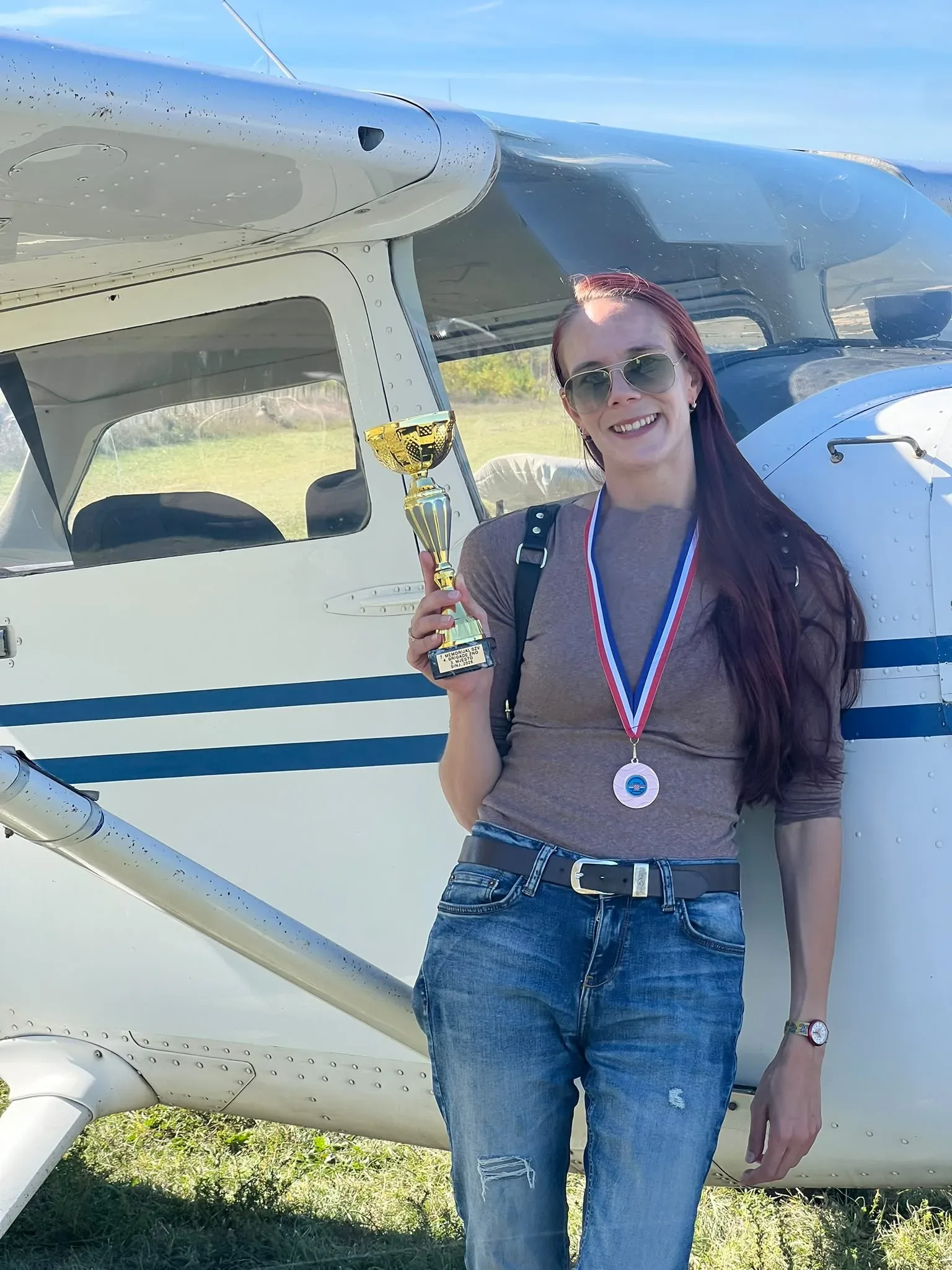
I absolutely love competing in aircraft precision landing competitions, where the objective is to land with the main wheels on a line just two metres long.
At a speed of approximately 110 km/h.
I've won around ten medals in this discipline, the latest being a bronze medal in Sinj just a month ago.
Another hobby, if we can call it that, is trying to improve safety in general aviation.
This part of aviation is largely made up of private and recreational pilots, many of whom don't regularly update or refresh their knowledge.
As a result, several times a year, we end up reading about them in the accident reports.
Through the educational videos I mentioned earlier, I'm trying to do my part to improve those statistics.
If I manage to save even one life or prevent even one accident, I'll consider the mission accomplished.
And as for my bra size...
Seriously? You actually fell for that?
HAHAHAHAHAHA!
Hahahahaha!
Hahaha.
Ha.