

23 Years of Skydiving: From a Free Skydiving Course to a Life in the Sky
From a free skydiving course to the Croatian national team, a world championship medal, and jumps in Kenya. Discover Marko Premužić's 23-year skydiving journey.
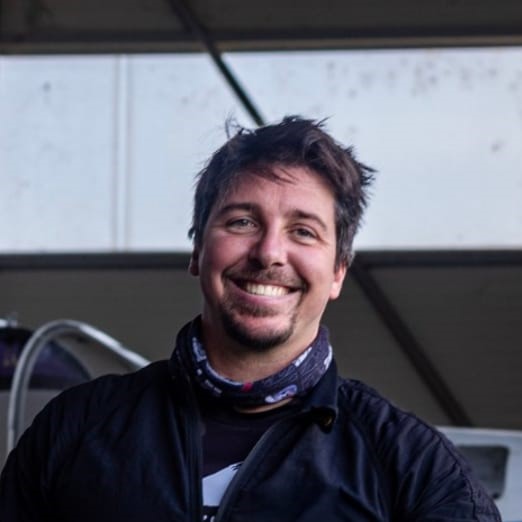
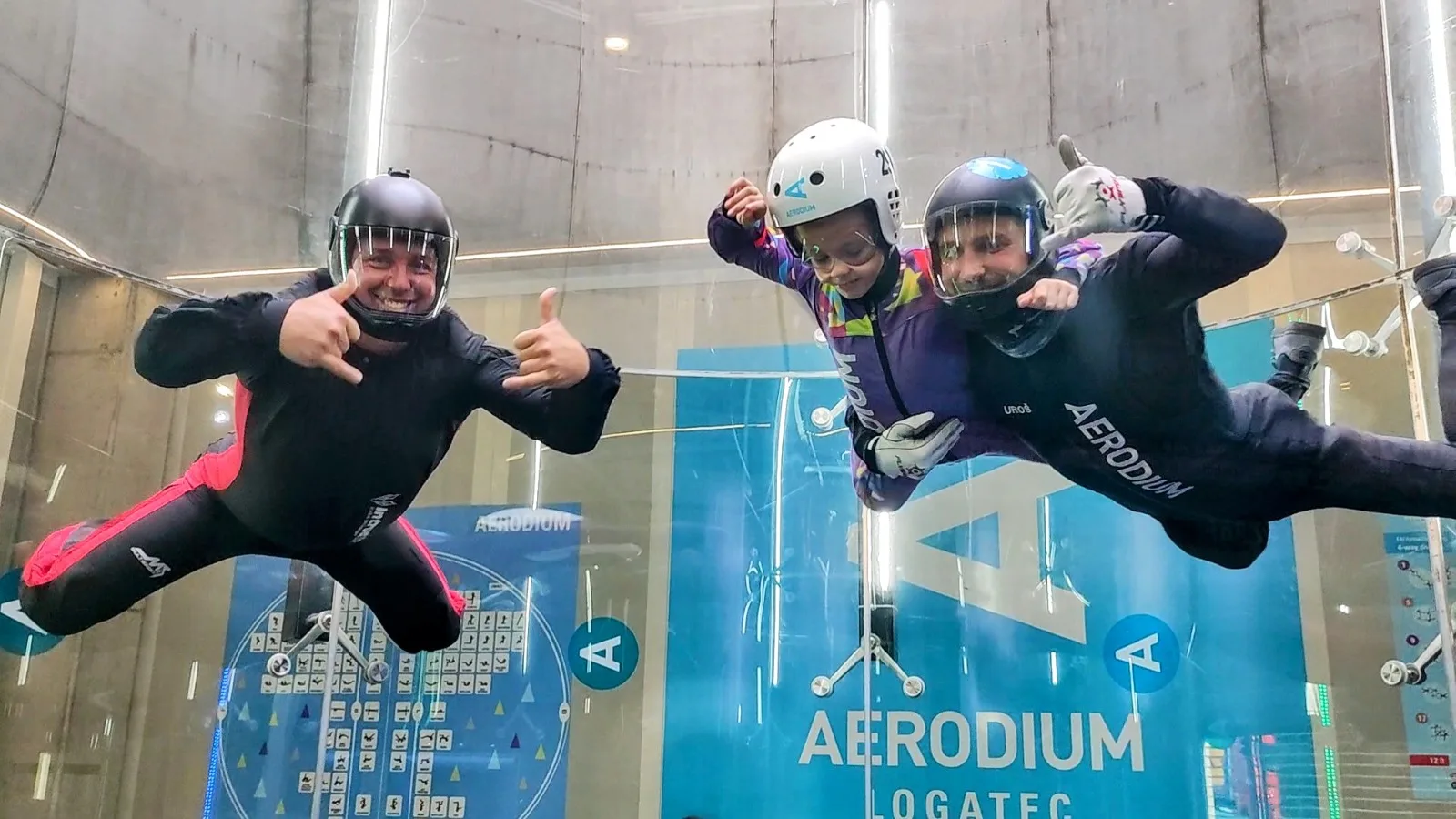
When I enrolled in a skydiving course at the age of 16, I didn't have any grand plans. I just wanted to be a cool teenager and jump out of an airplane. A friend of mine, who also happened to be my next-door neighbour, told me there was a free skydiving school for young people in our neighbourhood, organised as part of a programme called "Sports Against Drugs".
I asked around, signed up, and got my parents to sign the consent form. My father had been involved in hang gliding, so aviation wasn't unfamiliar territory for him. He gave his permission without much hesitation, and I was given an opportunity that would shape the next 23 years of my life.
Back then, I had no idea that skydiving would become my passion, take me into the Croatian national team and onto world championship podiums, turn me into an instructor, or have me spending my winters jumping above the beaches of Kenya.
November in Ptuj and a Decision I Didn't Have to Think Twice About
I completed my theoretical training at Zrakoplovni centar Croatia, under the guidance of Zdravko Pirc, one of Croatia's most experienced skydivers at the time.
After ground school, it was finally time for my first jump. Ptuj, November 2003. I clearly remember how incredibly cold it was, but what I remember even more vividly is that the moment I landed, I knew I wanted to become a skydiver. One cool jump to brag about to my classmates wasn't going to be enough. I couldn't wait for the next one.
Today, as someone who trains new skydivers, I find it interesting to see how people enter the sport with such different expectations. Some simply want to experience a parachute jump, while others are already imagining themselves with their own equipment and hundreds of jumps behind them.
Personally, I had no idea where skydiving would take me, but after that very first jump, I knew I wanted to experience that feeling of freedom in the air again, the adrenaline of leaving the aircraft, and the indescribable happiness that comes after a successful jump. I wanted to progress and develop my skills, and ultimately, that's what matters most.
Of course, wanting something was one thing. Being able to afford it was another entirely. But somehow, the universe worked things out.
Every Jump Had to Be Earned
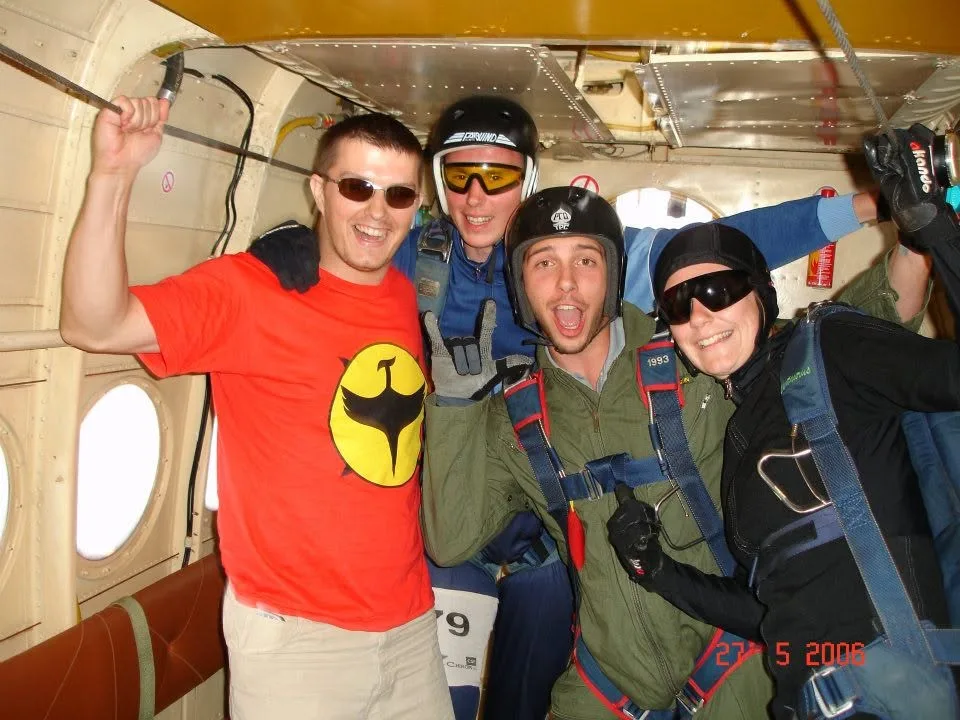
For the next two years, I took whatever work I could find to earn enough money for more jumps and further training. Skydiving quickly became an incredibly important part of my life, and every new jump was something I had to work hard for.
Looking back, I believe that having to earn every jump made me work harder and appreciate each one even more. Nothing came easily, and perhaps that made it all the more valuable.
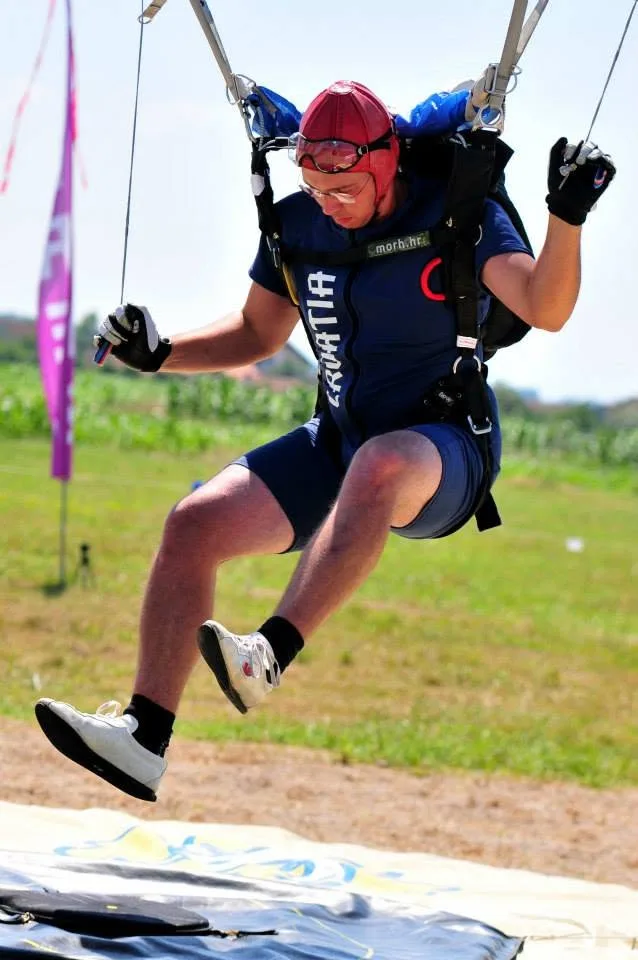
At the time, the club primarily focused on accuracy landing, a competitive skydiving discipline in which the goal is to land as precisely as possible on a designated target. So, even while working towards my skydiving licence, I began training in that discipline.
In accuracy landing, every jump gives you a very clear answer to how well you've performed. There's no room for excuses because the result is measured by the precision of your landing — quite literally in centimetres.
That kind of challenge drew me towards competitions.
I was one of only a handful of junior skydivers in Croatia. I was given the opportunity to compete at the national championship, where I finished second in the junior category.
That opened many doors.
From Club Training to the National Team
In 2007, I competed as a junior at the European Championships in Osijek.
The fact that there were so few young skydivers in Croatia, and that skydiving was still a relatively unknown sport, helped me find my way into the national team.
I was fortunate enough to compete internationally at a young age and discover just how much I still had to learn. When you're surrounded by exceptional athletes, you quickly realise how much training, effort, and patience goes into every good result.
Since I also enjoyed skiing in my spare time, I joined the Croatian national para-ski team.
Contrary to popular belief, no, you don't jump out of airplanes wearing skis.
Para-ski combines two disciplines: giant slalom skiing and accuracy landing in skydiving. For me, it was a particularly appealing combination of two sports I loved, with results from both disciplines counting towards the overall standings.
After a great deal of hard work, sacrifice, and missed school days (and to this day, my grammar still suffers for it), I won a bronze medal in the junior category at the 2011 World Para-Ski Championships.
It remains my greatest competitive achievement to this day.
When I signed up for that free skydiving school in my neighbourhood, I couldn't have imagined winning a medal at a world championship. But dreams have a funny way of ignoring what seems possible.
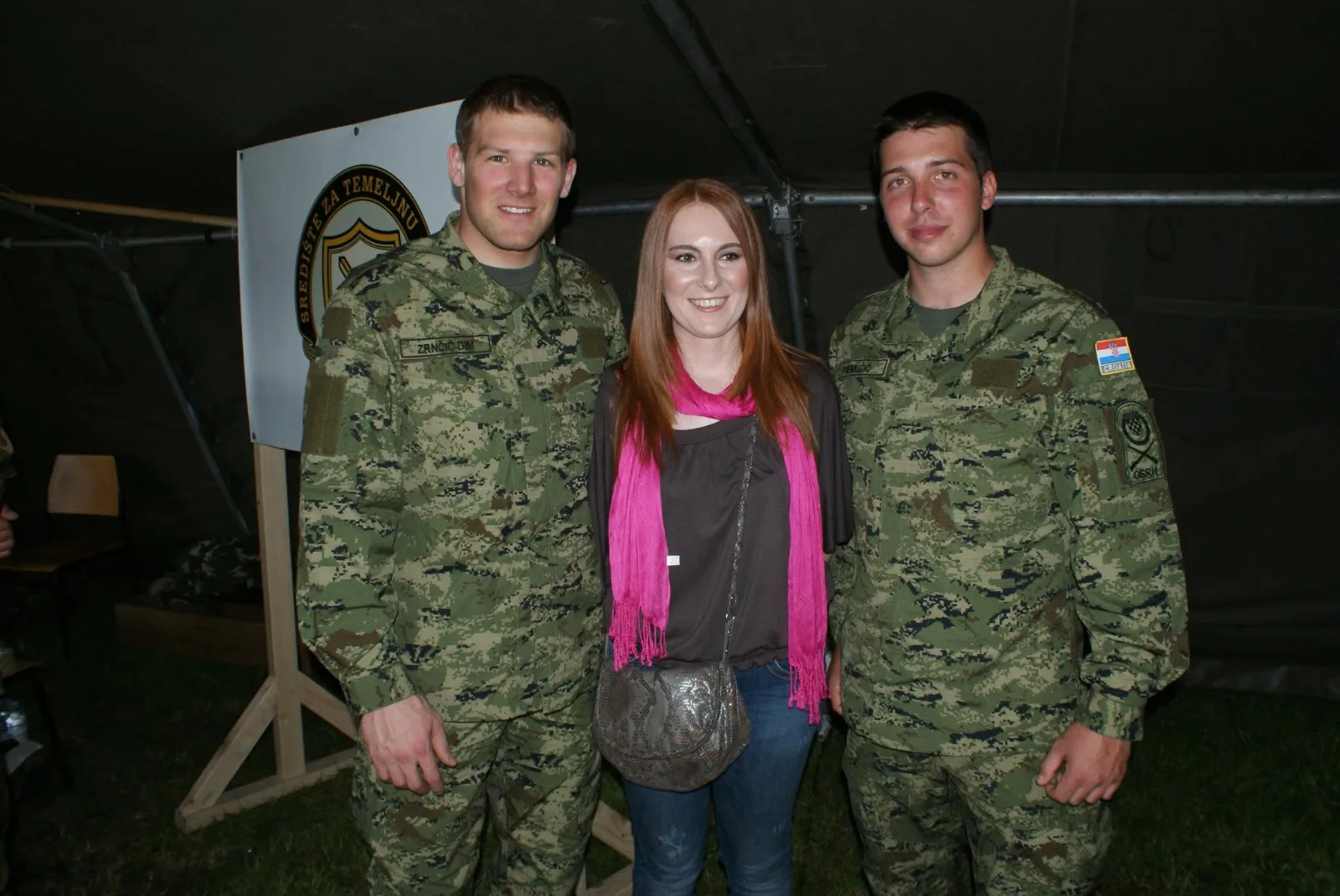
A few years later, my sporting career would even take me into the military.
Skydiving Even Took Me into the Military
As an officially recognised competitive athlete, I was invited to join a special military programme designed for elite athletes.
The idea was for me to represent the military at sporting competitions and games. Unfortunately, the economic recession at the time limited the opportunities to compete.
I continued competing as a senior member of the Croatian national accuracy landing team.
However, over time, my relationship with competition began to change. After ten years of training and competing, I started to feel burned out.
I still loved skydiving, but I no longer had the same hunger for the next result. I needed a new challenge.
That's when I started thinking about tandem skydiving.
When Your Hobby Becomes Your Job
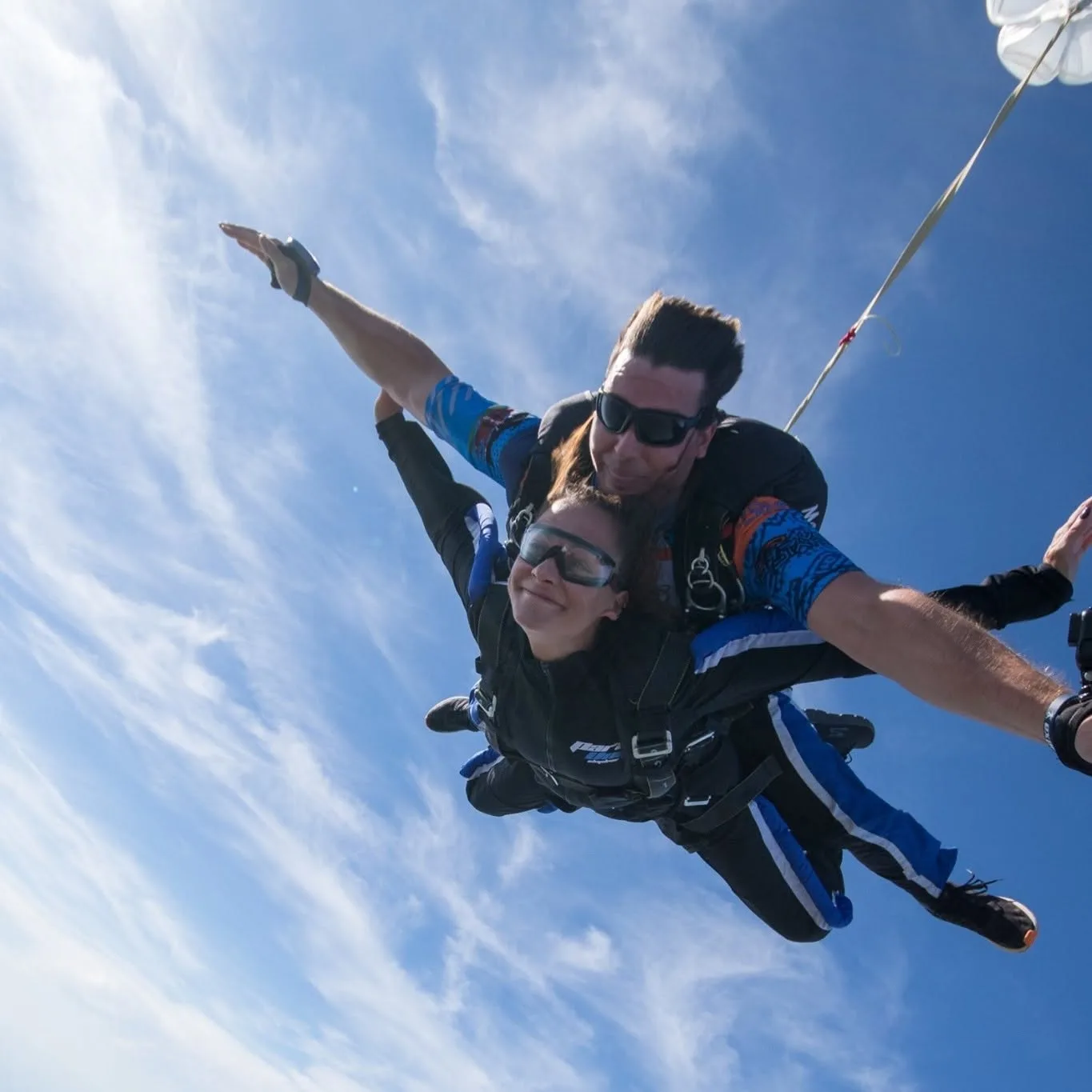
My idea was to use everything I would learn while becoming a tandem instructor to introduce passengers to the wonderful world of skydiving, all within a single jump and the briefing before it.
I wanted to pass on my enthusiasm, to get people hooked on the sport. And who knows? Perhaps some of them would eventually follow in my footsteps.
I decided to earn my tandem instructor rating, and in 2014, I began jumping with passengers.
Initially, I didn't want my hobby to become my job. When you do something purely out of love, there's an understandable fear that your relationship with it might change once you begin depending on it financially.
I have to admit that it did change.
Alongside the familiar enjoyment of jumping came schedules, greater responsibility, the expectations of individual tandem passengers, and the need to earn a living from my work.
But I also discovered a completely new kind of satisfaction in sharing the experience of skydiving with someone else.
For some passengers, a tandem skydive is an unexpected gift. For others, it's a lifelong dream. And for some, it's a major personal step into the unknown.
As an instructor, you become part of an incredibly personal experience, and there's a very good chance that your passenger will remember you for the rest of their life.
Later, training student skydivers and earning additional instructor qualifications opened up another opportunity for personal growth.
I began finding more and more enjoyment in helping others progress and passing on what I had learned.
There's no greater satisfaction than seeing a student finally understand something they previously struggled with, perform a good jump, and gradually become more independent.
And knowing that you were the quiet encouragement helping them along the way makes it even more rewarding.
My Seven Years of Living the "Cutaway" Life
In skydiving slang, the term "cutaway" is sometimes used to describe the decision to leave your regular job behind and rearrange your entire life around skydiving.
You work at dropzones and try to make a living almost exclusively from the sport you love.
That's exactly what I decided to do.
I quit my job and dedicated myself to tandem skydiving and training new skydivers.
I lived that way for seven years.
There are many wonderful things about that kind of life. You meet people from different countries, work in multicultural teams, and travel to places you might otherwise never have visited.
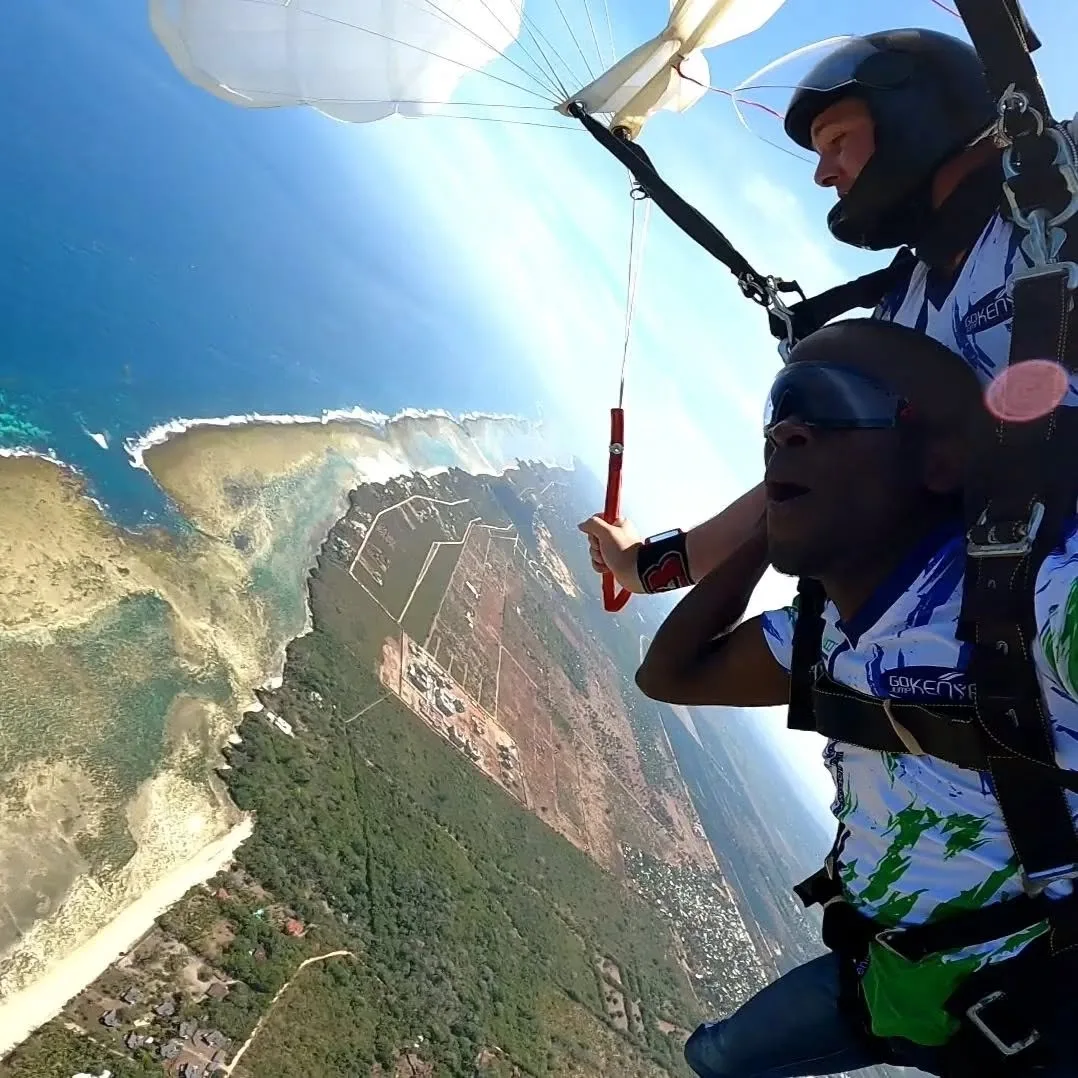
Part of my story took me to Kenya, where I worked and jumped during the Croatian winter months.
Skydiving above the Indian Ocean coastline certainly has its advantages when Zagreb is going through the coldest part of winter.
But between those jumps, there's also everyday life.
Accommodation, daily expenses, the income you need to earn, and a family living on another continent.
The photographs from the beach rarely show that side of the story.
When You Have a Wife and Children Waiting at Home
My wife was incredibly supportive and understanding throughout those years.
That meant a great deal to me, especially during the periods when we were apart. Still, support and video calls can only do so much to bridge the distance.
Because of the weather, the skydiving season in Croatia is largely limited to the warmer months. If I wanted to continue working during winter, I had to go abroad.
At the same time, my total earnings weren't enough to comfortably support life in two different places.
Beyond the financial considerations, I became increasingly aware of all the time I was missing with my wife and children.
The birthdays I wasn't there for, the anniversaries, and the joy of celebrating good grades at school.
Those missed moments weighed on me more and more.
Life in Kenya was interesting, but I wanted to be more present in my family's everyday lives.
So I decided to return to regular employment.
From my experience, I can say that the cutaway lifestyle can be incredibly fun and fulfilling when you're independent and have relatively few responsibilities towards others.
But when you have a family, the equation becomes much more complicated. There are more people involved, more overlapping needs, and more compromises to consider.
In my case, there came a point when that way of life simply no longer suited me.
I'm glad I experienced it, but I'm even happier that I recognised when it was time for a change.
Today, I've Found the Freedom That Suits Me
Today, I no longer depend on skydiving for my income, and I've noticed that I enjoy the sport even more because of it.
I still train new skydivers and perform tandem jumps with just as much enthusiasm as before, although these days I mostly jump on weekends.
Having a regular job means I can choose how much I want to jump and when I want to dedicate my time to the sport.
That freedom suits me.
As President of Skydive Academy, I want to help as many people as possible discover skydiving as a sport and receive quality training.
I no longer have the competitive ambitions I had when I was younger, but I do have the experience to guide new skydivers along their own journeys.
Today, I see myself as someone who can support young and aspiring skydivers, share what I've learned, and help them find their own paths.
And that's why, even after more than 3,500 jumps, I still have more than enough reasons to keep coming back to the dropzone.
How Long Does a Skydiver's Life Last?
Mine began with my father's signature on a consent form and a free skydiving school.
It continued through countless jobs to pay for jumps, competitions, the national team, medals, the military, instructing, and seven years of living the cutaway lifestyle.
Today, skydiving fits comfortably alongside my family life and regular employment.
But that's only one of the many paths a life in skydiving can take.
Some people find their happiness in recreational jumps with friends. Others find it in competitions, professional camera flying, rigging, or teaching the next generation of skydivers.
Our interests and circumstances change throughout life, and the place that skydiving occupies in our lives can change with them.
I have no plans to stop jumping anytime soon.
I want to remain active for as long as my physical abilities allow, continue training new skydivers, and introduce the sport to people who, for now, can only dream about experiencing it.
At 16, I couldn't possibly have imagined everything that would follow my very first jump.
And 23 years later, what excites me most is that I still have no idea what adventures are waiting for me next.


